
Introduction
Brick constructions are known for their durability and timeless appeal. However, exposure to harsh weather conditions, moisture, and temperature fluctuations can cause mortar joints to deteriorate. When this happens, quality brick pointing services become essential to prevent further erosion and weathering. Proper repointing not only restores structural integrity but also enhances the aesthetic value of your property.
In this article, we’ll explore the importance of brick pointing, the signs that indicate it’s needed, different types of mortar, and how professional services can extend the lifespan of your brickwork.
Why Brick Pointing is Essential for Preventing Erosion and Weathering
Brick pointing, also known as repointing, involves removing damaged mortar and replacing it with fresh mortar to strengthen the structure. Without proper maintenance, deteriorating mortar can lead to serious structural issues.
How Erosion and Weathering Affect Brickwork
- Water Infiltration – Cracked or missing mortar allows water to seep in, leading to internal damage and mold growth.
- Freeze-Thaw Damage – In colder climates, trapped water expands when frozen, causing bricks to crack or spall.
- Structural Weakness – Eroded mortar reduces stability, increasing the risk of brick displacement or wall collapse.
- Aesthetic Decline – Crumbling mortar makes structures look old and neglected, reducing curb appeal.
By investing in quality brick pointing services, homeowners and property managers can prevent these issues and maintain a strong, visually appealing structure.
Signs Your Brickwork Needs Repointing
Recognizing early warning signs can save you from costly repairs. Here are key indications that your brickwork requires professional attention:

Visible Mortar Deterioration
- Crumbling or powdery mortar
- Gaps between bricks
- Deep cracks in joints
Water Leaks and Moisture Problems
- Damp patches on interior walls
- Efflorescence (white salt deposits on bricks)
- Mold or mildew growth near brick surfaces
Loose or Shifting Bricks
- Bricks that wiggle when touched
- Bulging or uneven walls
If you notice any of these signs, it’s time to consult a professional for brick pointing services before the damage worsens.
Types of Mortar for Brick Pointing
Choosing the right mortar is crucial for long-lasting results. Different mortar mixes offer varying levels of strength, flexibility, and historic accuracy.
Lime-Based Mortar
Best for: Historic buildings, soft bricks
Pros: Flexible, breathable, prevents moisture buildup
Cons: Slower curing time
Portland Cement Mortar
Best for: Modern structures, high-strength needs
Pros: Durable, quick-setting
Cons: Less flexible, can cause brick damage if too hard
Polymer-Modified Mortar
Best for: High-movement areas, extreme weather resistance
Pros: Enhanced adhesion, crack-resistant
Cons: More expensive than traditional mortar
A professional brick pointing service will assess your building’s needs and recommend the best mortar type for durability and performance.
The Brick Pointing Process: Step-by-Step
Understanding the repointing process can help ensure high-quality workmanship. Here’s how experts perform brick pointing:
Step 1 – Inspection and Preparation
- Assess mortar damage and brick condition
- Choose the best mortar mix
- Protect surrounding areas from debris
Step 2 – Removing Old Mortar
- Use grinders or chisels to carefully extract deteriorated mortar
- Clean joints thoroughly to ensure proper adhesion
Step 3 – Applying New Mortar
- Fill joints evenly using a pointing trowel
- Match the mortar color and texture for a seamless look
Step 4 – Finishing and Curing
- Shape the mortar with jointing tools
- Allow proper curing time (varies by mortar type)
Professional brick pointing services follow these steps meticulously to ensure a durable and visually appealing finish.
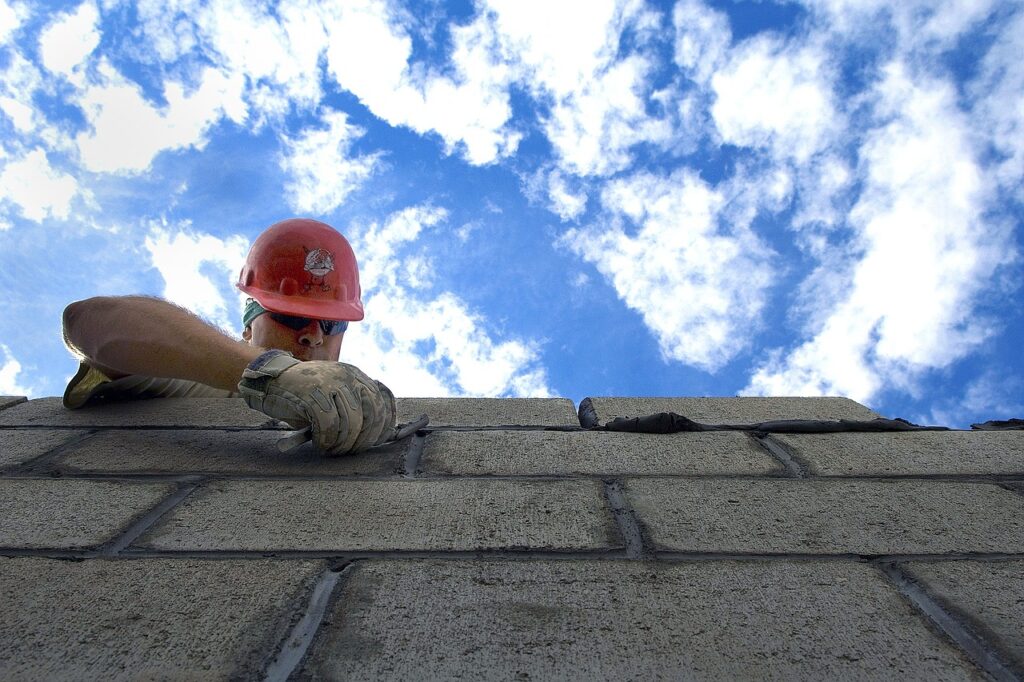
Benefits of Hiring Professional Brick Pointing Services
While DIY repointing may seem cost-effective, hiring professionals ensures optimal results. Here’s why expert services are worth it:
Expertise and Precision
- Proper mortar selection and application techniques
- Avoidance of common mistakes (e.g., overfilling joints)
Long-Term Cost Savings
- Prevents future structural repairs
- Extends the lifespan of brickwork
Enhanced Aesthetic Appeal
- Clean, uniform joints improve curb appeal
- Maintains historic accuracy for heritage buildings
Investing in quality brick pointing services ensures a structurally sound and beautiful brick facade for years to come.
Maintenance Tips to Protect Your Brickwork After Pointing
To maximize the benefits of repointing, follow these maintenance practices:
Regular Inspections
- Check for new cracks or mortar erosion annually
- Address minor issues before they escalate
Proper Drainage and Waterproofing
- Ensure gutters and downspouts direct water away from walls
- Apply breathable water repellents if needed
Avoid Harsh Cleaning Methods
- Use soft washing instead of pressure washing
- Prevent abrasive scrubbing that can damage mortar
By maintaining your brickwork properly, you can extend the need for future repointing and keep your structure in excellent condition.
Conclusion
Quality brick pointing services play a crucial role in preventing erosion and weathering, ensuring the longevity and beauty of your brick structures. Recognizing early signs of mortar deterioration, choosing the right mortar type, and relying on professional expertise are key steps in preserving your property.
Whether you own a historic home or a modern building, timely repointing can save you from costly repairs while enhancing structural integrity. Don’t wait until damage becomes severe—schedule a professional assessment today and protect your investment for decades to come.